


Hello Investors!
This week was a roller coaster between the lows of a hawkish Fed and the highs of a Memorandum of Understanding between the US and Iran (more on that below).
Here at Pine Creek, we have been busy working on a few investment write-ups featuring opportunities we believe to have enormous upside.
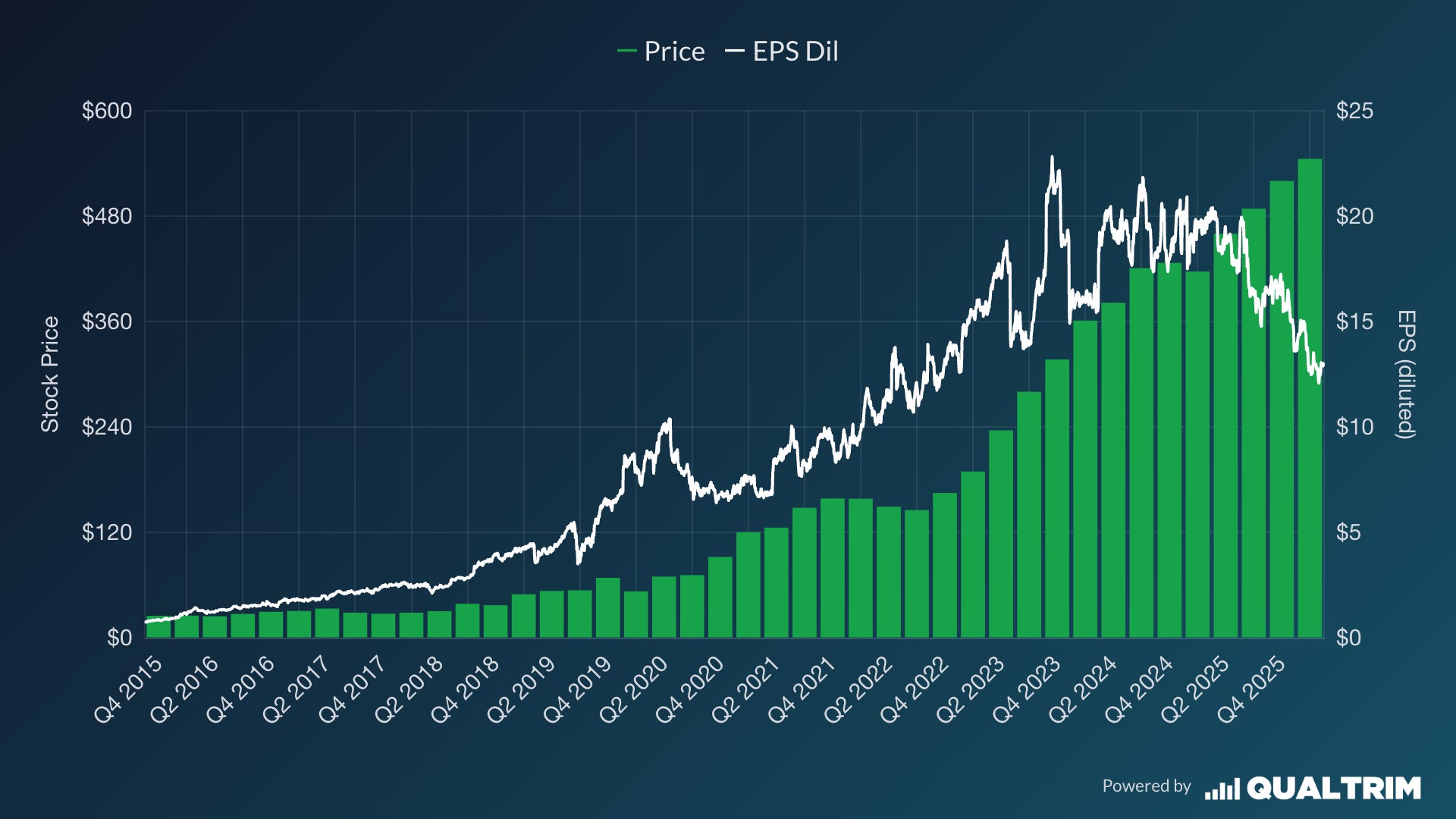
The first is an insurance company that currently trades under 14x P/E and ~4x P/B, the lowest multiples in the company’s history. The stock is down over 40% from its all-time high, yet EPS continues to grow.
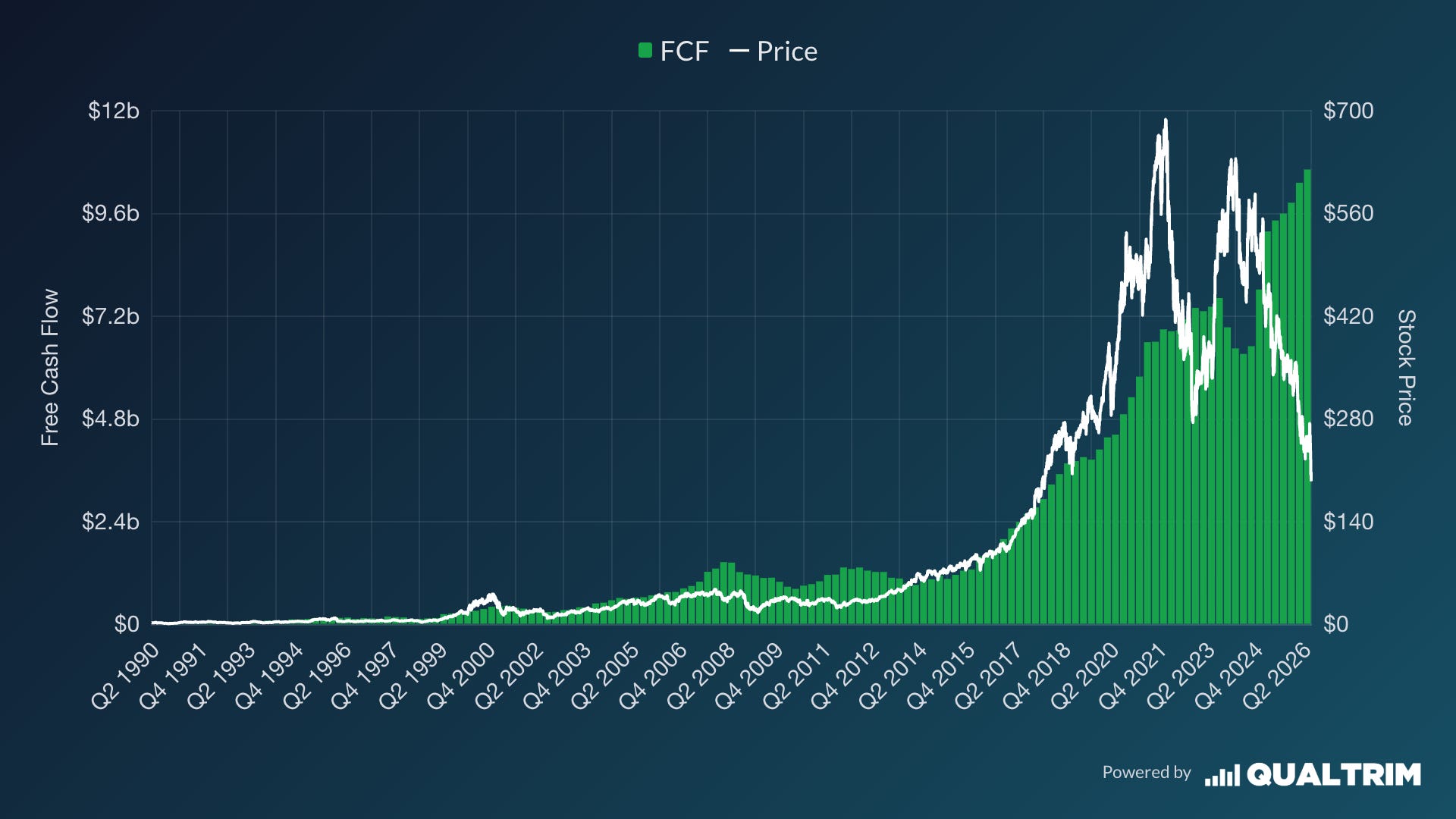
The second writeup will focus on a software company that the market has fallen out of love with. The stock currently trades at ~7.5x Forward Earnings, and an incredible 8x EV/EBITDA. I never thought I would see such a high quality asset at such an amazing price during my investing career.
Disclaimer: Pine Creek Capital currently holds positions in both companies.
If you are interested in these writeups, they will be going out to Paid Subscribers first, and will be available to Free Subscribers in the future.
In the meantime, let’s take a tour of what else is moving markets. And as always, if you have any questions or suggestions for the newsletter, please don’t hesitate to reach out to brian@pinecreek.capital.
-Brian
By the Numbers
Equities
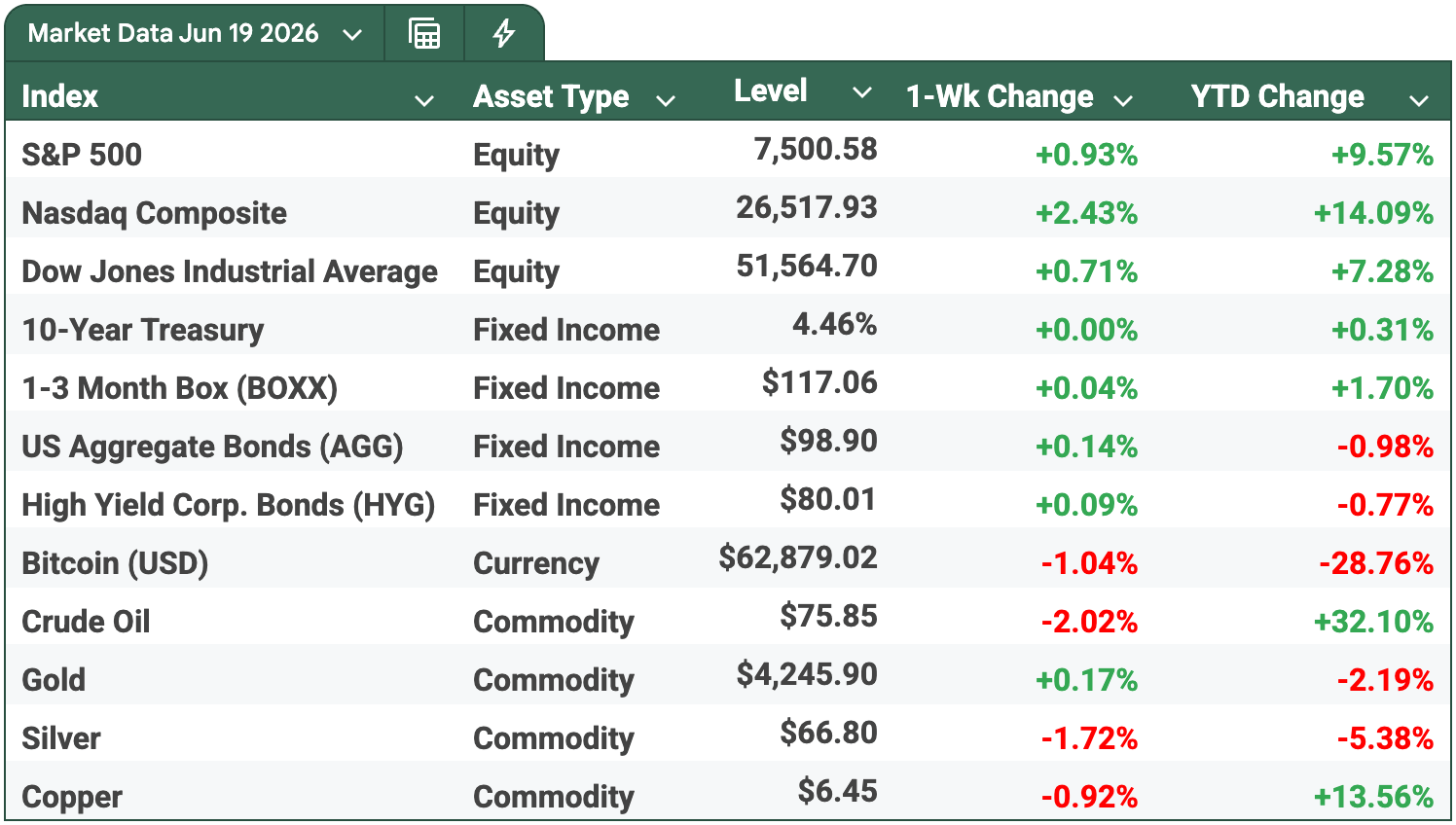
Stocks continued their YTD run this week, with the S&P 500 up 0.93%. The Dow Jones Industrial Average followed modestly, up 0.71%, and the tech-heavy Nasdaq rocketed 2.43% higher.
The momentum was largely driven by optimism about a peace deal rumored by President Trump to be finalized and imminently signed. On Monday, Iran had confirmed that a deal had been struck, and by midweek this was revealed to be a thirteen point Memorandum of Understanding, or “MOU” for short, which is a fancy term for a list of ground rules for further negotiations. By Thursday, Iran declared the Strait of Hormuz open, and markets rallied.
As noted in last week’s letter, we believe this MOU to simply be an extension of negotiations, not an outright end to the war. Equities and Oil markets, however, are priced as if all hostilities have ended, the Strait of Hormuz is completely open, and shipping traffic through the waterway has resumed pre-war levels. None of these are true at the moment, and we remain cautious of the risk of an escalation of tensions or resumption of direct conflict with Iran.
UPDATE: Since writing this newsletter, Iran has announced that the Strait of Hormuz is now closed again, citing continued conflict between Israel and Hezbollah in Lebanon. While it is too early to tell how markets react, we expect equities to fall and oil to jump on Monday if this continues through the weekend. This development is a case in point of our position that much risk remains and is currently underappreciated by public markets.
Fixed Income
Interest rates remained roughly unchanged over the week, with the 10-Year Treasury Yield at 4.46% compared to 4.48% a week ago. This week, the Federal Reserve held their first meeting under the leadership of new Fed Chair Kevin Warsh. Coming out of this meeting, the Fed held their key interest rate steady at 3.50%-3.75%, though commentary from Fed Warsh was notably more hawkish than expected.
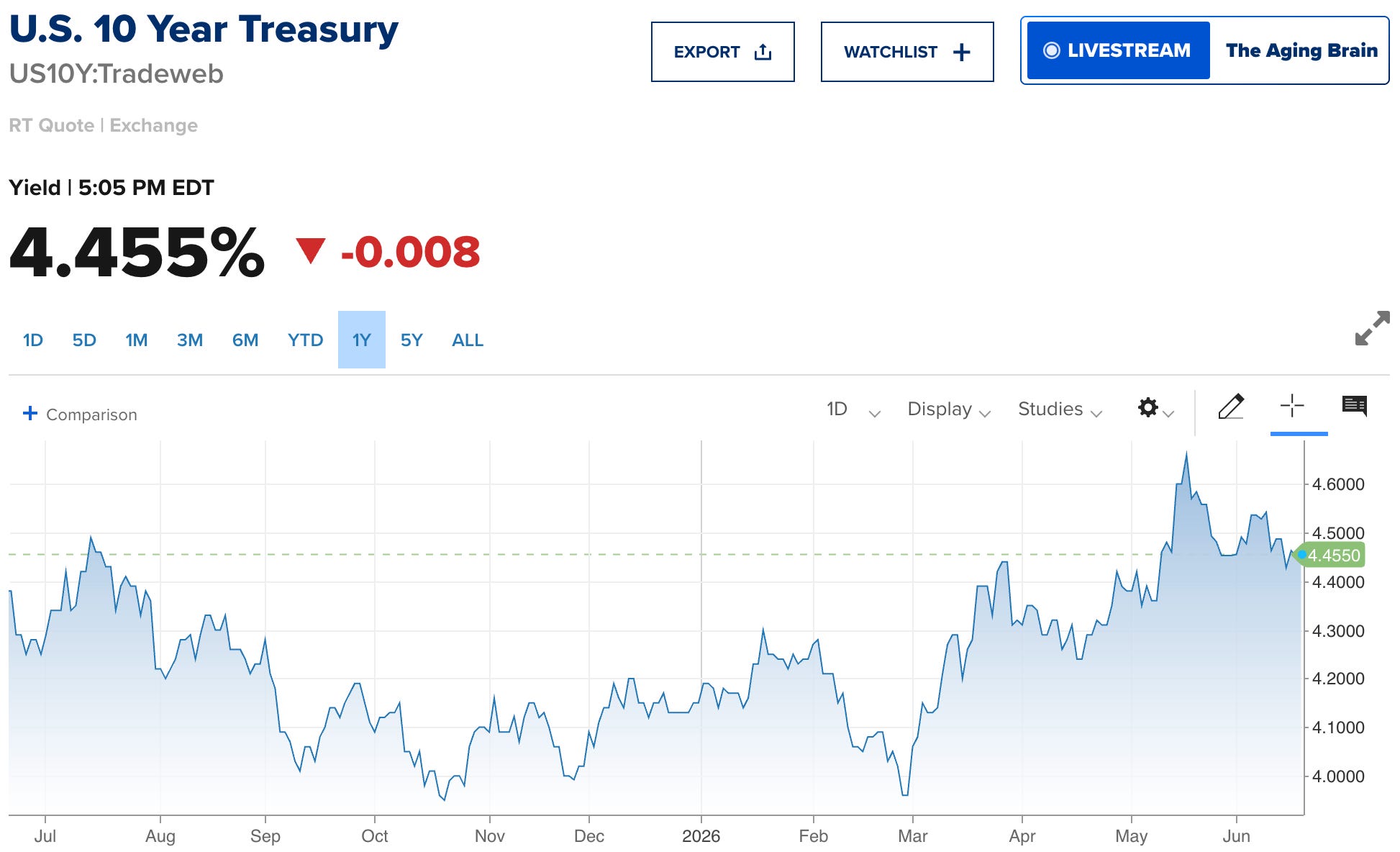
This led to a modest increase in short term interest rates, with the 3-Month T-Bill increasing 4 basis points from 3.71% to 3.75%. Additionally, options markets are now pricing in an 89.6% chance of at least one interest rate hike by December 2026, with a notable 2% chance of four interest rate hikes by the end of the year. Currently, there is a 0% chance of any rate cuts before 2027.
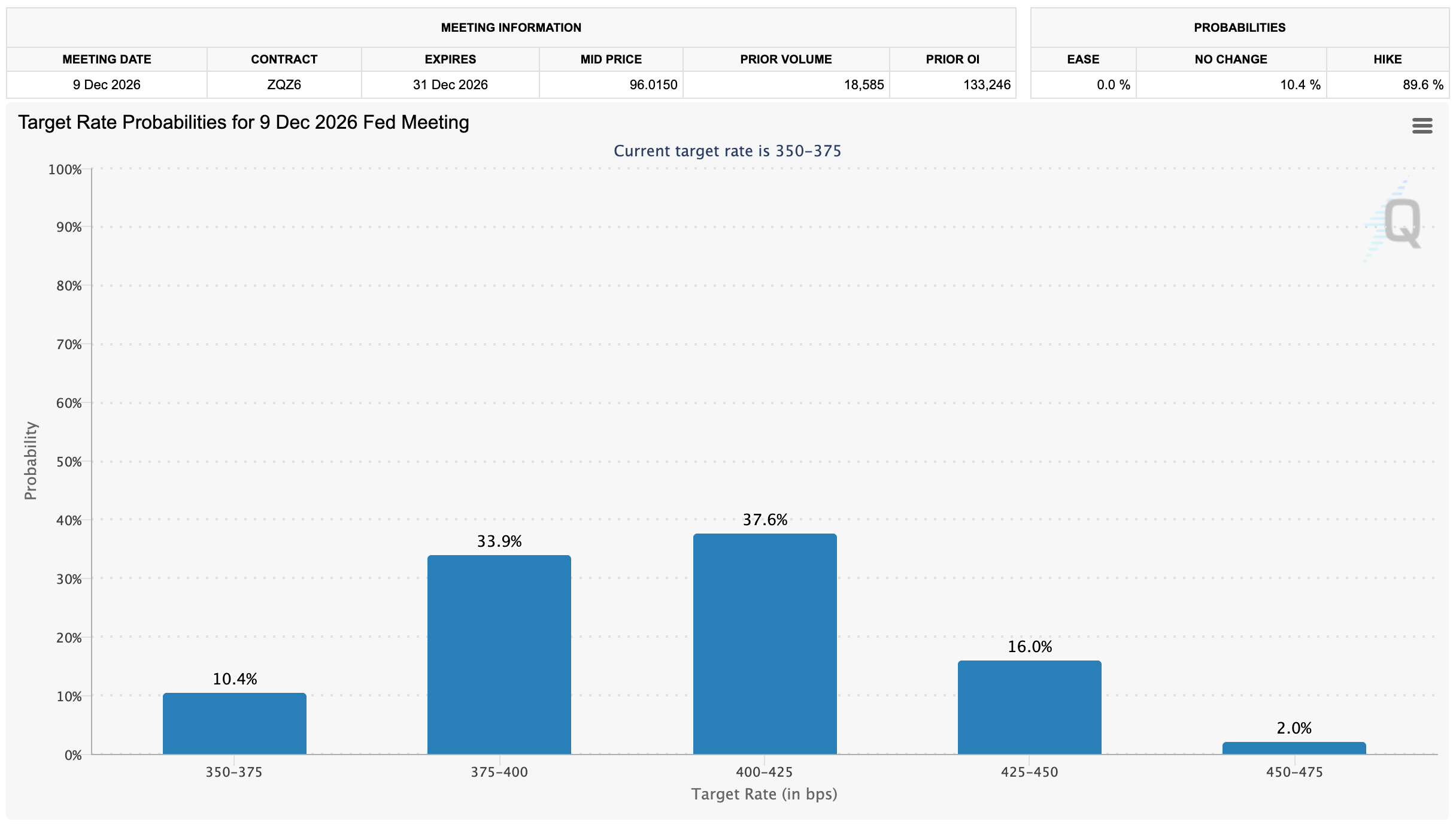
We reiterate our view that overweight fixed income and underweight duration is prudent in the current environment.
Commodities
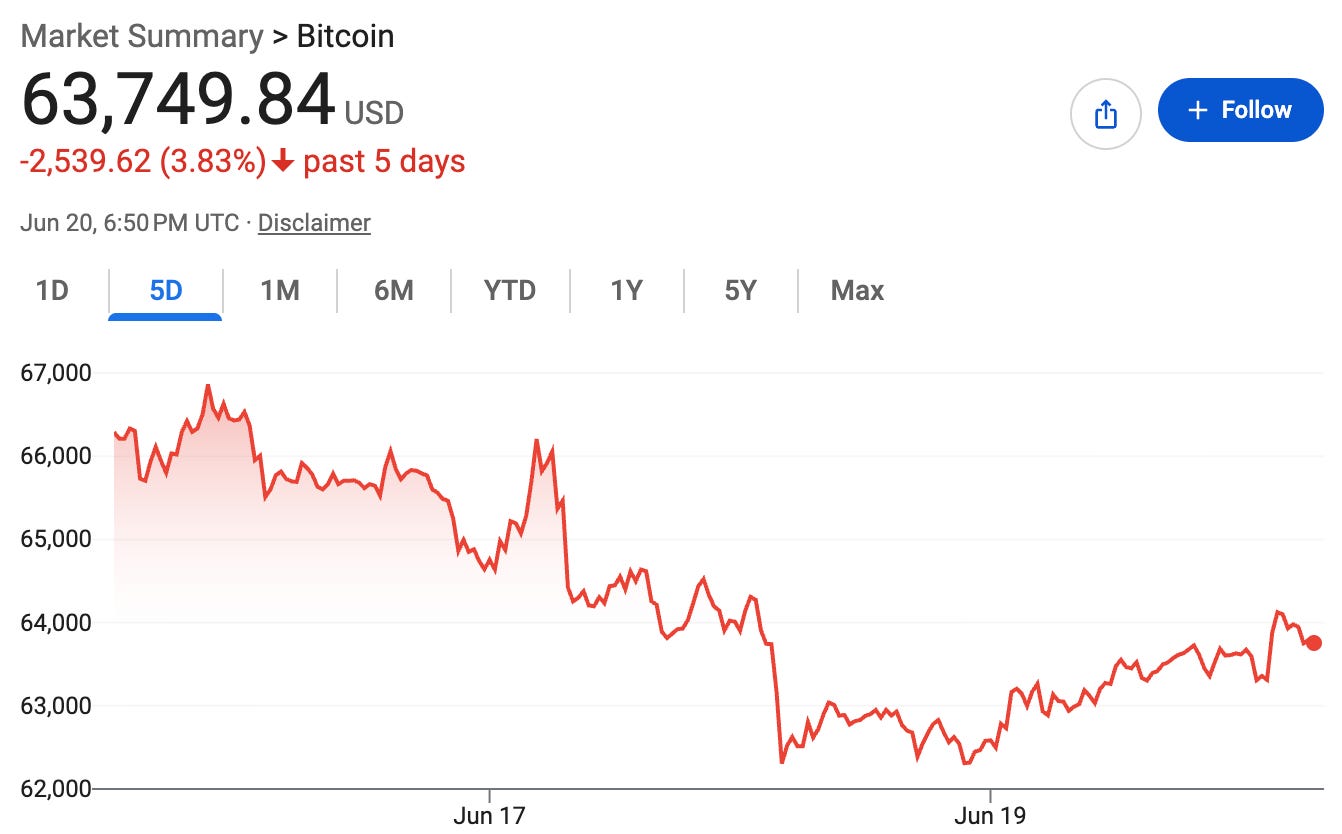
Bitcoin continued lower this week, falling 1.04% to 62,879.02. The cryptocurrency has continued to fade throughout the year as investors question its viability as either a currency or an investment asset.
The Strategy Saga continued this week, this time with respect to the company’s Perpetual Preferred Shares which trade under the ticker STRC, which are trading at an all-time low in the high $80’s. Let’s briefly talk about what this is and why it matters.
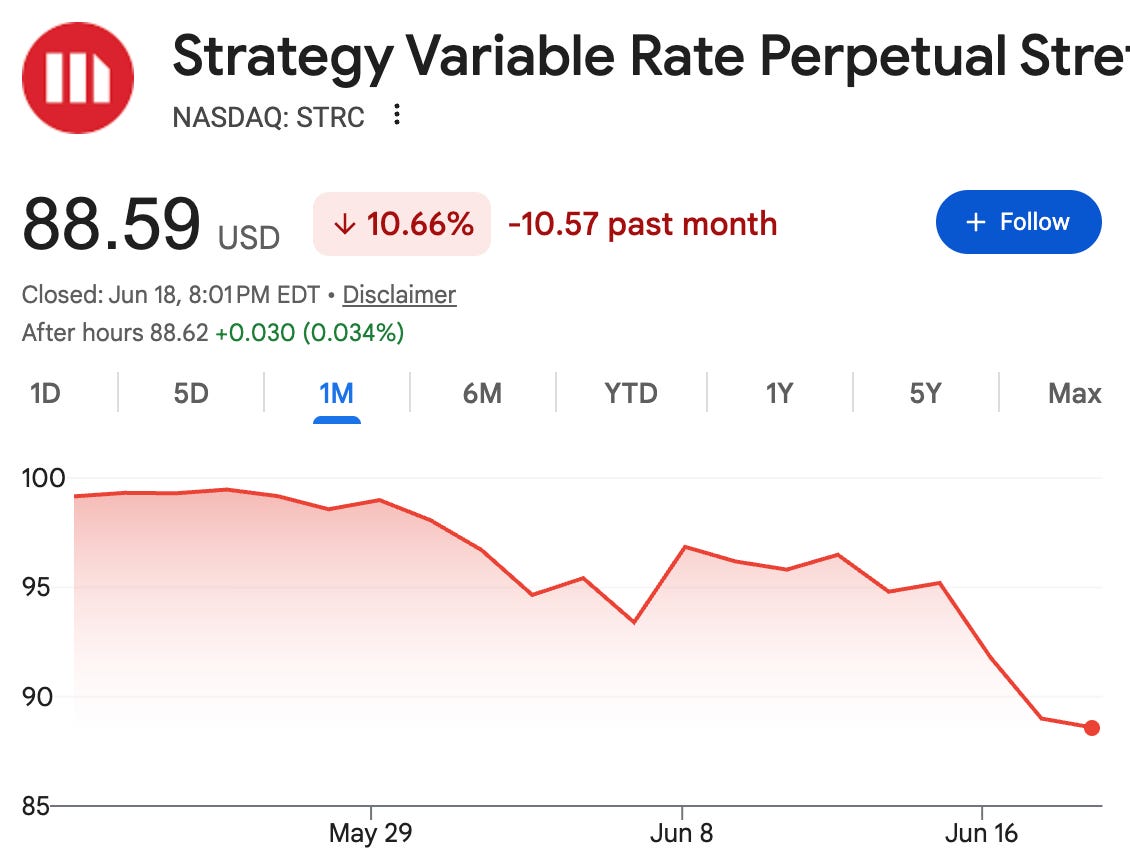
STRC is a preferred stock, which means that it has certain benefits above the company’s normal stock. In this case, STRC was issued at a face value of $100/share, offers an adjustable dividend (currently 11.5%), and in the event of bankruptcy, STRC holders have priority over common stock (MSTR) holders.
The strategy that Strategy is going for here is they try to issue shares of STRC for $100/share and then use those proceeds to buy more bitcoin. However, each of those shares comes with a hefty dividend that Strategy needs to pay STRC holders. Additionally, that dividend is not guaranteed. Strategy can change it, pause it, or cancel it if they need to.
With STRC trading at a discount to its face value, this is a signal that investors are getting nervous about Strategy’s ability to pay the dividend on STRC. And if Strategy can’t issue shares at $100, it becomes more difficult to raise money to buy more Bitcoin. At some point (soon it seems?), Strategy’s hands are tied and they can’t buy more Bitcoin, but they have to keep servicing their dividends and debt payments.
In order to service those payments, they’ll need to sell Bitcoin to raise cash instead of raising debt or selling shares. As Strategy sells Bitcoin, the price falls, kicking off a downward spiral. Every time Bitcoin falls in price, Strategy will need to sell more Bitcoin to get the same dollar value as before. The more Bitcoin Strategy sells, the further the price falls, and so on until Strategy’s bankers step in and force a restructuring, likely through bankruptcy proceedings and liquidation.
We continue to hold our view that the long-term intrinsic value of Bitcoin is $0.
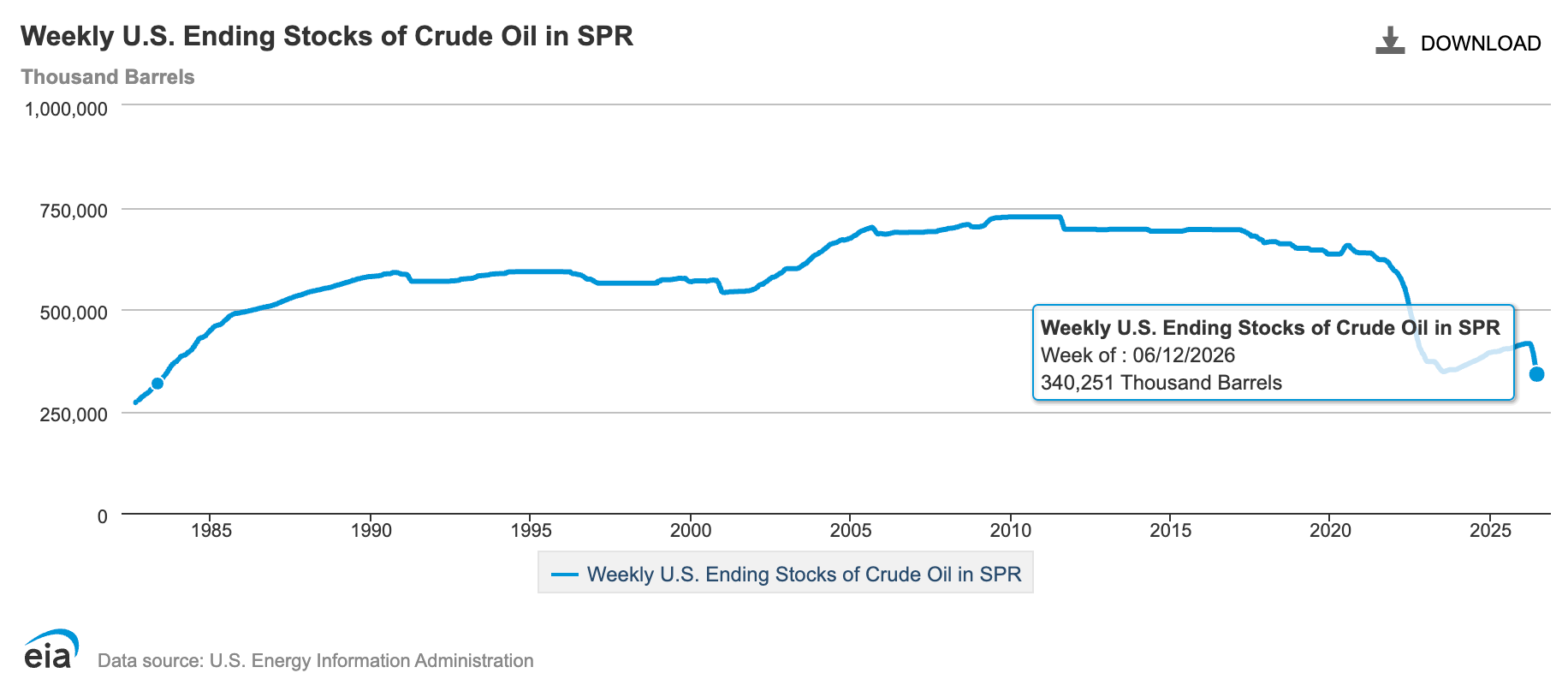
Crude Oil continued its decline, dropping 2.02% to settle at $75.85 per barrel. The continued decline reflects investor optimism surrounding the signing of a Memorandum of Understanding between the US and Iran, with hopes of a return to normal flows of traffic through the Strait of Hormuz.
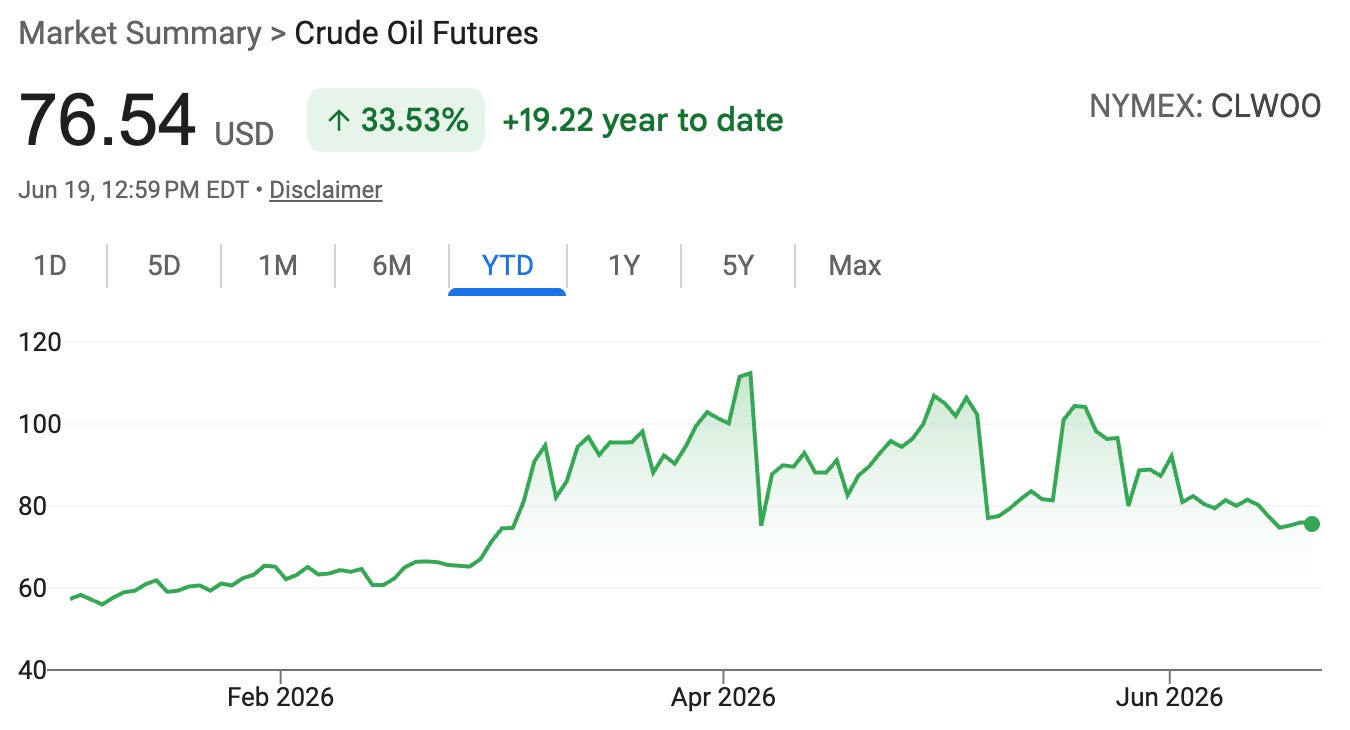
As stated in last week’s letter, we continue to believe oil futures are attractively priced for a sharp potential rebound. Should negotiations fail or drag on, or a deal result in large concessions to Iran, or heavy fighting restart altogether, oil prices could jump sharply. Additionally, we believe the $65-$70 per barrel range is an effective floor for the foreseeable future, as countries will need to replenish their strategic reserves.
Gold rose 0.17%, while Silver and Copper declined 1.72% and 0.92%, respectively. The precious metals remain volatile as they are coming off of historic highs and multiple competing pressures drive prices. Our view from last week’s letter remains unchanged: we believe Gold and Silver remain too volatile to hold exposure to, while Copper remains attractive as a critical metal for supply chains. PCCM does not hold a position in any of the three metals.
Earnings & Data
Another relatively quiet week coming up, though not as quiet as this past week.
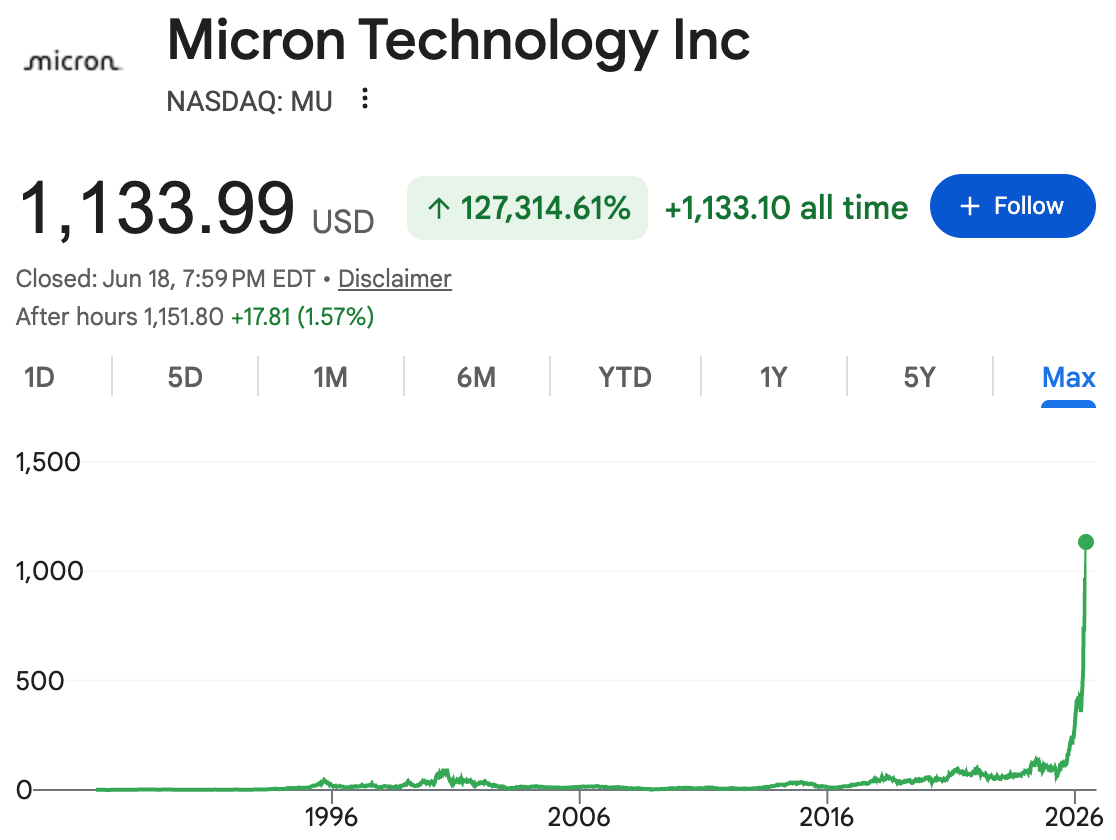
On Wednesday, Micron (Ticker: MU) will report earnings after the close. Wall Street estimates earnings to be $19.54 per share vs. $1.73 per share a year ago, an 11x increase. No wonder the stock is up over 800% in the last year.
On Thursday, we will get updated data on Personal Income and Consumption as well as GDP. This will include the PCE index, which is a measure of inflation preferred by the Federal Reserve.
Investors will be watching these updates from Micron and macroeconomic data closely for signal as to whether the AI buildout is holding as well as health of the broader economy. Weakness in either could lead to increased near-term volatility.
That’s all we had for you this week, let us know your thoughts by leaving a comment! You can also like this article via Substack to show your support.
When are the write ups on the 2 stocks coming out for paid subs?
Earnings ultimately drive value.
The challenge is that markets often price the expectation of earnings long before the earnings arrive.
Understanding the gap between fundamentals and expectations is where the real work begins.